
Robert N. Klein, J.D. and Alan Trounson Ph.D. A New Paradigm for Funding Medical Research. In Stem Cells Translational Medicine, 2012, 1:3-5; doi:10.5966/sctm.2011-0049
Scientific research and its discoveries produce society�s intellectual capital. At the same time, the structure of research funding (stability, term, breadth) can be a major determinant that drives the organization and scale of an investigative team, as well as potential collaborations. In analyzing an optimal research funding structure, one would ask: can the research team carry the combined financial burden of the basic researcher that identified the therapeutic candidate, the toxicology expert, the regulatory expert, and the clinician committed to implementing the Phase I trial, or is the team limited to only the personnel that can incrementally move the research through the toxicology clearances?
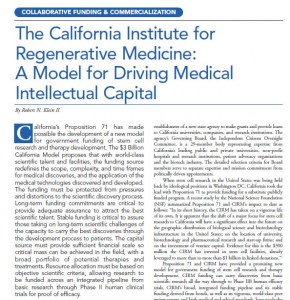
Robert N. Klein, II The California Institute for Regenerative Medicine: A Model for Driving Medical Intellectual Capital. In World Stem Cell Report (2010)
California�s Proposition 71 has made possible the development of a new model for government funding of stem cell research and therapy development. The $3 Billion California Model proposes that with world-class scientific talent and facilities, the funding source redefines the scope, complexity, and time frames for medical discoveries, and the application of the medical technologies discovered and developed. The funding must be protected from pressures and distortions to the scientific discovery process.
Robert N. Klein, J.D. and Alan Trounson Ph.D. A New Political-Financial Paradigm For Medical Research: The California Model. In Catherine Prescott and Dame Julia Polak, eds., The Delivery of Regenerative Medicines and Their Impact on Healthcare. London: CRC Press, November 2010
The California Model is an extraordinarily promising new paradigm for government funding of stem cell research and therapy development. It is structured to carry the research projects� funding all the way to a Phase II human trial efficacy demonstration. While this Model demonstrates numerous strategic advantages, its ultimate optimization in safely and expeditiously advancing stem cell therapies to patients is currently being tested in programs to integrate private capital and biotech enterprises with non-profit research institutions. All of the performance milestones of the California agency and its scientific portfolio are extremely positive.
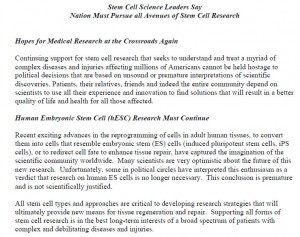
David Baltimore, Ph.D.; George Q. Daley, Ph.D.; Robert Klein, J.D.; Martine Pera, Ph.D.; James Thomson, V.M.D., Diplomate, A.C.V.P.; Alan O. Trounson, Ph.D.; and Irving L.Weissman, M.D. 2008 Open Letter from ISSCR and Stem Cell Leaders Providing Support for All Types of Stem Cell Research
ISSCR Press Release Statement when this letter was published
hESCs Remain the Prototype Pluripotent Cell
The basic tools for these discoveries will include the �gold standard� embryonic stem cells that remain the benchmark for assessment of pluripotency, or the ability to develop into all the fully functional cells of the body. The critical role of hESCs has been recognised by all the primary world scientific bodies, including, in the U.S., the National Academies of Sciences (advisors to the nation on science and engineering).
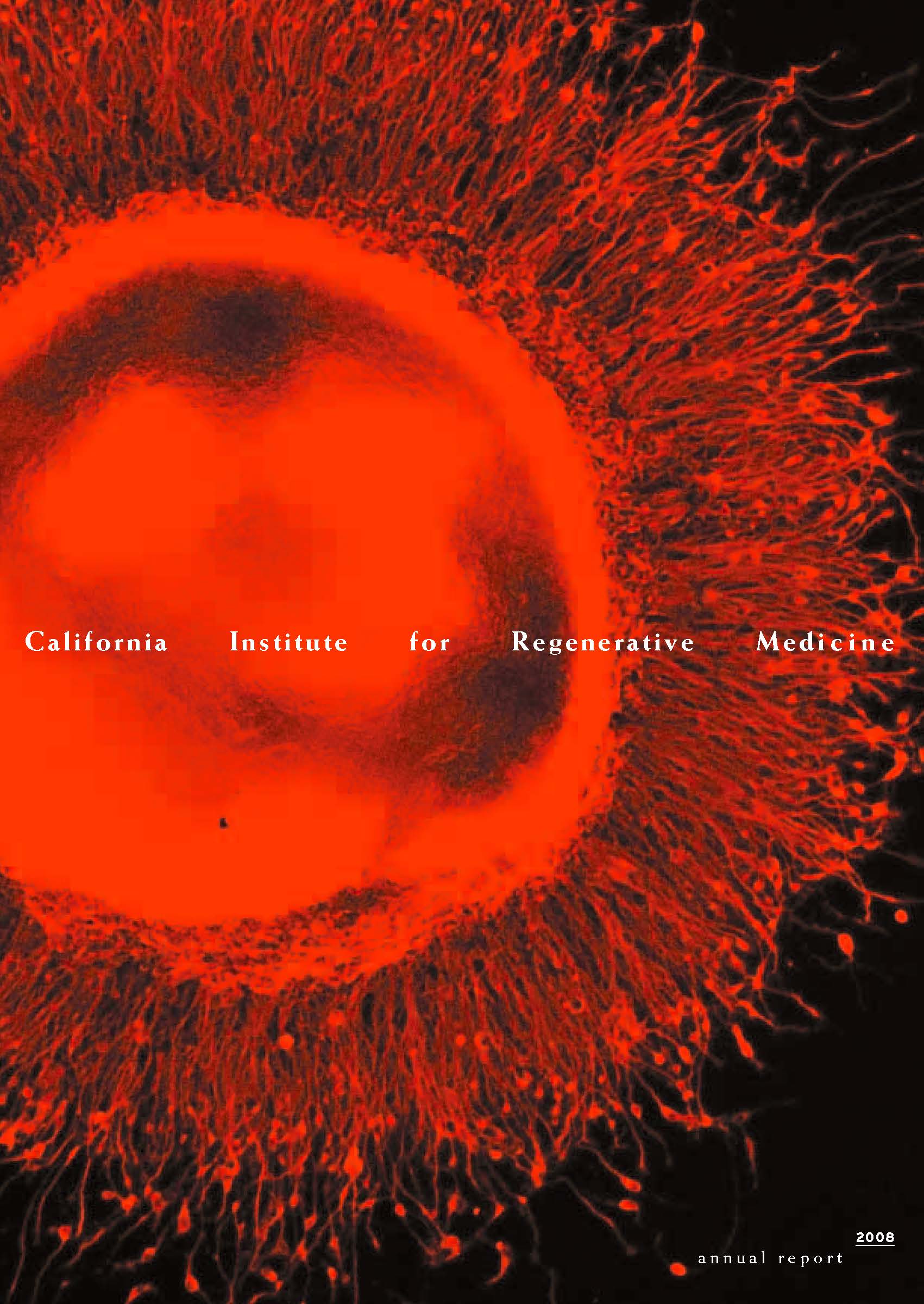
Robert N. Klein A Message from the Chair. In , California Institute for Regenerative Medicine Annual Report 2008, pp.6-9
We celebrate 2008 and the progress, but remain vigilant, focused on the mission, and cautiously optimistic, as the speed of scientific and clinical advances in stem cell research provide extraordinary breakthroughs and discoveries.
Robert N. Klein, J.D.
A Message from the Chair. In , California Institute for Regenerative Medicine Annual Report 2007, pp.2-4
For families suffering from chronic disease or injury, Proposition 71 has brought hope; for medical scientists who have dedicated their lives to reducing human suffering, it has been an inspiration; and for patient organizations, it created a paradigm change in the structure, scope and term of medical research funding in America.

Robert N. Klein, Klein-Financial Affordable Housing � An Attractive Alternate for the Knowledgeable Investor. In PREA Quarterly, Summer 2003
Is investment in affordable housing merely a social objective or can it compete well against other, more traditional investment vehicles? Affordable housing offers stability, predictability, and a reasonable yield�insulated from many traditional real estate risks�for value-added debt and equity investment opportunities. Specifically, bond-financed rental affordable housing, the focus of this article, can minimize risk and create large, medium- to long-term quality income streams.